
Song Overview
Song: Folsom Prison Blues
Written by: Johnny Cash
Artist: Johnny Cash
Released: 1955
Genre: Country, Rockabilly
Album: Johnny Cash with His Hot and Blue Guitar! (1957)
Folsom Prison Blues became one of Johnny Cash’s signature songs and helped shape his career. Although it was first released in the mid-1950s, the song reached a much wider audience after Cash performed it live at Folsom State Prison in 1968. That historic concert introduced the song to a new generation and strengthened his reputation as an artist who understood ordinary people and those living on society’s margins.
Song Insight
The Folsom Prison Blues Lyrics have remained popular for decades because they tell a powerful human story. Written by Johnny Cash, the song goes beyond prison walls to explore emotions that many people understand. It is not simply about a man behind bars. It is about living with the weight of past mistakes and wishing for a second chance.
What makes the Folsom Prison Blues song unforgettable is its honest storytelling. Instead of making excuses, the narrator faces the reality of his actions. This emotional honesty has helped the song become a country music classic that continues to connect with listeners around the world.
Whether someone listens for the music, the story, or the deeper message, the song offers more than entertainment. It encourages listeners to think about guilt, regret, personal choices, and the value of freedom.
Folsom Prison Blues Lyrics Meaning
The Folsom Prison Blues Lyrics Meaning centers on personal responsibility and the emotional cost of bad choices. The narrator is physically confined, but the real struggle takes place within his own mind. This Folsom Prison Blues Lyrics Meaning Explained section shows that the prison is more than a location—it represents a life shaped by irreversible decisions.
One of the strongest ideas in the song is imprisonment in two forms. The first is physical prison, where the narrator has lost his freedom. The second is emotional imprisonment, where painful memories and constant regret become impossible to escape. Even if the prison doors opened, the emotional burden would remain.
The story also explores the desire for freedom. Throughout the song, freedom represents more than leaving prison. It symbolizes hope, peace of mind, and the chance to begin again.
Another important theme is moral conflict. The narrator understands that his own actions have brought him to this point. Instead of blaming others, he quietly accepts responsibility. This honesty makes the character believable and gives the story lasting emotional impact.
The song also highlights the loneliness of prison life. Isolation is not shown only through physical separation from society but also through emotional distance from ordinary life. The narrator watches the outside world continue without him, making his longing for freedom beyond the prison even more powerful.
A major reason the song has remained relevant is Johnny Cash’s songwriting. His ability to express complex emotions through simple words allows listeners from different cultures and generations to understand the character’s pain.
The emotional strength of the song comes from its powerful storytelling. Every part of the narrative contributes to a larger message about responsibility, redemption, and the emotional cost of one’s choices.
Ultimately, the Folsom Prison Blues Lyrics Meaning reminds us that true freedom is not only about where we are physically. It is also about finding peace within ourselves, learning from our mistakes, and holding on to hope even during life’s darkest moments.
Story Behind Folsom Prison Blues
The story behind Folsom Prison Blues is almost as fascinating as the song itself. Johnny Cash wrote the song in the early years of his music career after watching the 1951 prison film Inside the Walls of Folsom Prison. The movie sparked his imagination and inspired him to create a story from the perspective of a prisoner. View the official songwriting credits for “Folsom Prison Blues”
Rather than writing about prison from personal experience, Cash used his gift for storytelling to imagine the thoughts and emotions of someone living behind bars. His goal was not to glorify crime or prison life. Instead, he wanted to show the emotional weight of living with serious mistakes and the longing for a better life.
Years later, the song gained even greater fame when Johnny Cash performed it live at California’s Folsom State Prison in 1968. The concert became one of the most memorable moments in country music history.
Today, the song remains one of the defining works of Johnny Cash’s songwriting. Its honest emotions and unforgettable storytelling continue to inspire artists and listeners around the world.
Folsom Prison Blues Themes
One reason the Folsom Prison Blues song has remained popular for generations is its timeless themes. These ideas are easy to understand because they reflect real human emotions and experiences.
Guilt and Regret
The strongest theme is guilt. The narrator fully understands that his own decisions have changed his life forever. Alongside guilt comes deep regret, as he realizes that he cannot undo the past. This emotional burden is far heavier than the prison walls surrounding him.
Freedom and Imprisonment
Another central theme is the contrast between freedom and imprisonment. The prison represents physical confinement, but the song also explores emotional imprisonment. The narrator feels trapped not only by locked doors but also by painful memories and lost opportunities.
Hope Despite Hardship
Although the story is filled with sadness, it also contains hope. The dream of freedom beyond the prison gives the narrator something to hold onto. Even when life seems hopeless, the desire for a second chance remains alive.
Personal Responsibility
Unlike many songs that blame others, Folsom Prison Blues focuses on accepting responsibility. The narrator understands that every action has consequences. This message gives the song emotional honesty and lasting relevance.
Symbolism in Folsom Prison Blues Lyrics
The Symbolism in Folsom Prison Blues Lyrics adds depth to an already powerful story. While the song is set in a prison, many of its images represent broader ideas about life, hope, and human nature.
The Prison
The prison is the most obvious symbol. It represents physical confinement, but it also reflects emotional struggles that many people experience. Feelings of fear, sadness, or regret can create invisible prisons that are just as difficult to escape.
The Train
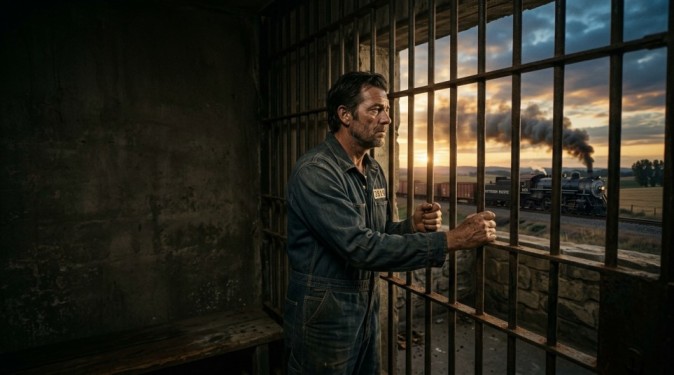
One of the song’s most memorable images is the passing train. It symbolizes movement, opportunity, and the outside world. As it continues its journey, the narrator remains trapped, contrasting freedom and confinement even more painfully.
Prison Walls
The prison walls symbolize the consequences of past choices. They separate the narrator from family, society, and the future he wishes he had. These barriers remind listeners that actions often have lasting effects.
Hope Beyond the Walls
Despite its sadness, the song leaves room for hope. The idea of freedom beyond the prison represents the possibility of personal growth and emotional healing. While the past cannot be changed, the future still holds the chance for redemption.
Through these simple but meaningful symbols, Johnny Cash transforms a prison story into a universal reflection on life, responsibility, and hope.
Folsom Prison Blues Song Message
The Folsom Prison Blues Song Message is about accepting responsibility while never giving up hope.
The song reminds us that poor choices can have serious consequences. However, it also suggests that people are more than the mistakes they make. Every person can reflect, learn, and become wiser through difficult experiences.
Another important message is empathy. Instead of encouraging listeners to judge the narrator, the song invites them to understand his emotional struggle. This compassionate perspective is one reason Johnny Cash earned such deep respect throughout his career.
More than seventy years after it was written, Folsom Prison Blues continues to resonate because its message is timeless. It speaks about responsibility, forgiveness, resilience, and the enduring human desire for a second chance.
Folsom Prison Blues Lyrics
Writer: Johnny Cash
I hear the train a comin’
It’s rolling round the bend
And I ain’t seen the sunshine since I don’t know when
I’m stuck in Folsom prison, and time keeps draggin’ on
But that train keeps a rollin’ on down to San Antone
When I was just a baby my mama told me
“Son, always be a good boy, don’t ever play with guns”
But I shot a man in Reno just to watch him die
When I hear that whistle blowing, I hang my head and cry
I bet there’s rich folks eating in a fancy dining car
They’re probably drinkin’ coffee and smoking big cigars
Well I know I had it coming, I know I can’t be free
But those people keep a movin’
And that’s what tortures me
Well if they freed me from this prison
If that railroad train was mine
I bet I’d move it on a little farther down the line
Far from Folsom prison, that’s where I want to stay
And I’d let that lonesome whistle blow my blues away
Frequently Asked Questions
Who Wrote Folsom Prison Blues?
Johnny Cash wrote Folsom Prison Blues in the early 1950s. His remarkable talent for powerful storytelling and honest songwriting turned the Folsom Prison Blues song into one of the greatest classics in country music. It remains one of the finest examples of Johnny Cash’s songwriting and continues to influence artists around the world.
When Was Folsom Prison Blues Released?
Folsom Prison Blues was first released as a single in 1955. It later appeared on Johnny Cash’s debut album, Johnny Cash with His Hot and Blue Guitar! in 1957. The song gained worldwide recognition after Cash performed it live at Folsom State Prison in 1968, helping establish it as a country music classic. Explore Johnny Cash’s legacy in country music
What Is Folsom Prison Blues About?
The Folsom Prison Blues song tells the story of a prisoner living with guilt, regret, and the consequences of his actions. It explores the emotional pain of prison life, the desire for freedom, and the hope of finding peace despite imprisonment.
What Is the Meaning of Folsom Prison Blues?
The Folsom Prison Blues Lyrics Meaning centers on accepting responsibility for past mistakes while holding onto hope for a better future. The song explores emotional struggle, moral conflict, and emotional imprisonment.
What Inspired Johnny Cash to Write Folsom Prison Blues?
Johnny Cash was inspired to write the song after watching the 1951 film Inside the Walls of Folsom Prison. The movie sparked his imagination and led him to create a fictional story from the perspective of a prisoner. His ability to combine simple language with powerful storytelling helped transform that idea into one of the most memorable songs of his career.
Is Folsom Prison Blues Based on a True Story?
No. Folsom Prison Blues is not based on one specific true story. Instead, Johnny Cash created a fictional character to explore themes such as guilt, regret, freedom, and imprisonment.
Why Is Folsom Prison Blues So Popular?
The song remains popular because it combines memorable music with honest emotion. Johnny Cash’s songwriting, relatable themes, and powerful storytelling make the Folsom Prison Blues song meaningful to listeners of all ages. Its exploration of prison life, hope, redemption, and the search for freedom beyond the prison continues to resonate decades after its release.
Is Folsom Prison Blues Johnny Cash’s Most Famous Prison Song?
Yes. Folsom Prison Blues is widely regarded as Johnny Cash’s most famous prison-themed song. Its historic live performance at Folsom State Prison in 1968 became one of the defining moments of his career and helped cement the song’s place as a country music classic.
Wrap-Up
The Folsom Prison Blues Lyrics tell a timeless story about choices, consequences, and the hope for a better future. Through simple words and honest emotion, Johnny Cash created a song that continues to touch listeners around the world. Its themes of guilt, freedom, and redemption remain just as meaningful today as they were when the song was first released.
Whether you came to explore the Folsom Prison Blues Lyrics Meaning or to learn the story behind this legendary country music classic, the song offers more than great music. It reminds us that while we cannot change the past, we can learn from it and keep moving forward with hope.
Looking for more country music insights? Explore our analysis of She’s Country lyrics meaning.
About the Author
Md. Shahadat Hossain is part of the LyricsMedia Editorial Team, creating insightful content focused on lyric analysis, music storytelling, and the deeper meaning behind songs. He specializes in song lyrics meaning, music storytelling, and lyrical interpretation. His goal is to help readers understand the deeper themes, emotions, and messages behind popular songs through clear, accurate, and easy-to-read articles.
Every article is carefully researched using reliable music sources and, whenever available, official songwriting credits. His writing focuses on accuracy, originality, and reader value, making complex ideas simple and engaging for music lovers around the world.
For this article, he explores the Folsom Prison Blues Lyrics to uncover the song’s timeless themes of guilt, redemption, freedom, and hope through thoughtful and reader-friendly analysis.